Business simulations
Business Simulations That Change What People Do on Monday Morning
Not a role-play. Not a case study.
Scenarios where teams make real decisions under real pressure — and debrief on what that reveals about how they actually lead.
0+
Live experiences
0+
Minutes per session
0+
Sessions facilitated
0
Max teams (selected sims)
0%
Digital — no printing
Quick answer
Why do simulations work when workshops don't?
Show first, read second — simulations create evidence the debrief can use.
A business simulation puts participants in the decision-maker role with incomplete information and immediate consequences — different from analysing a written case after the fact.
Tryitowl simulations are facilitator-led, device-based, and designed so setup stays lightweight while debrief data stays specific enough to drive real commitments.
Use the cards below to compare duration, cohort size, and the capability each experience stresses — then talk to us about the right fit for your group.
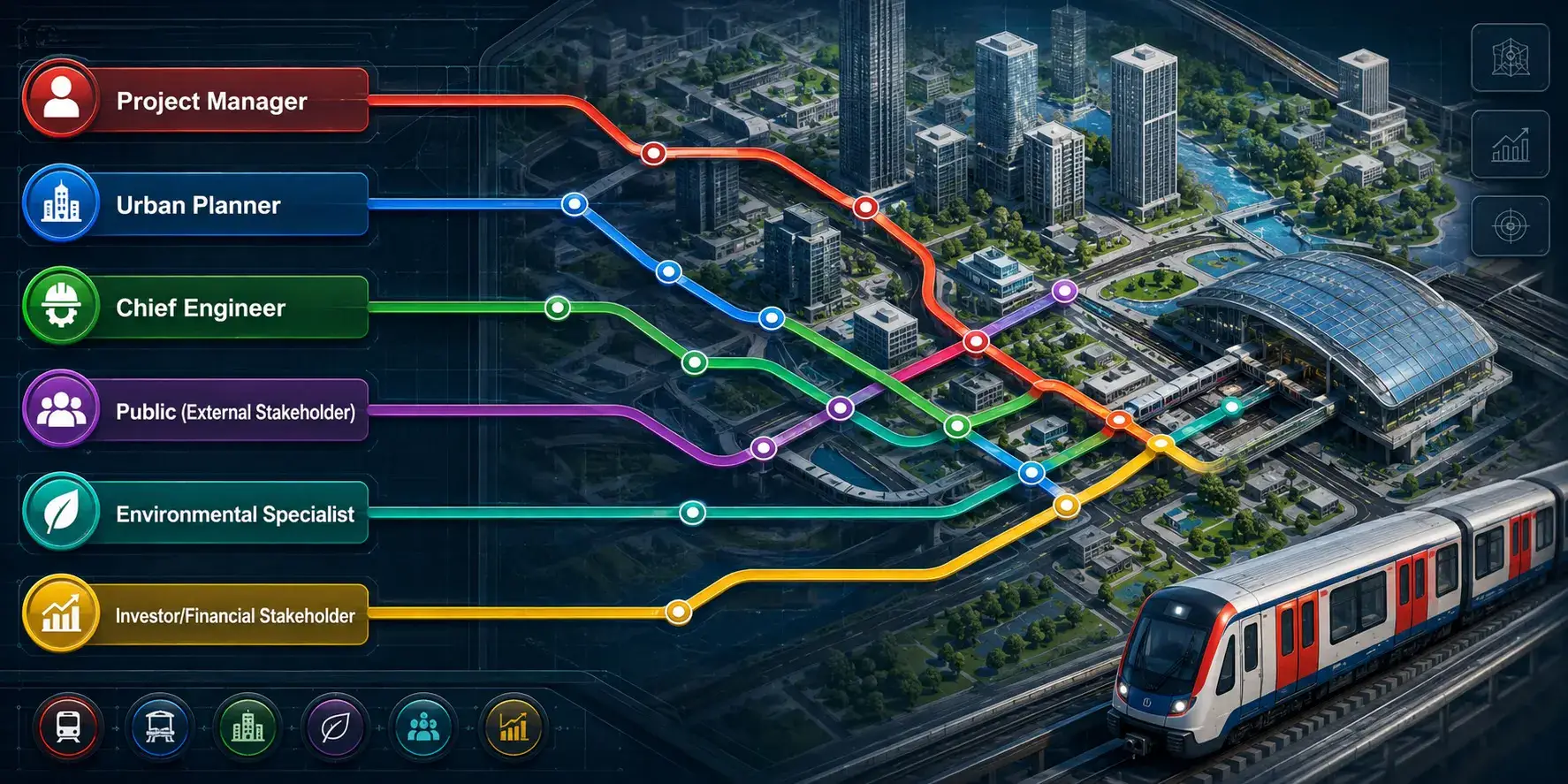
MULTIPLAYER SIMULATION
Stakeholder Management
Six roles. Competing agendas. One project that needs approval from all of them.
What you'll practise
- Reading internal and external stakeholder agendas
- Coalition-building under time pressure
- Voting and negotiating when objectives conflict
Best for
Senior managers, project leads, cross-functional teams
Pairs with
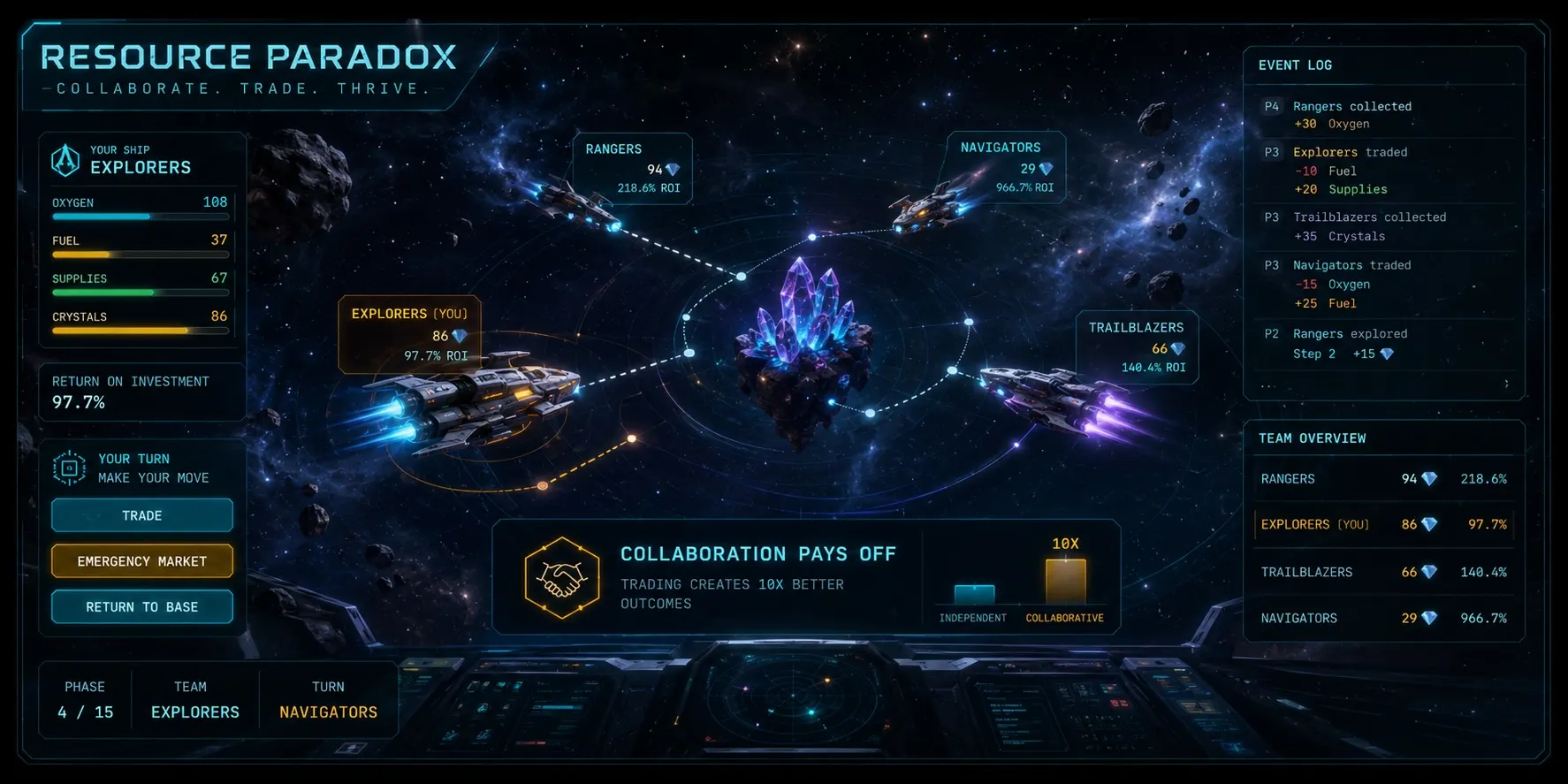
FLEET SIMULATION
Resource Paradox
Deep space, shrinking fuel — explore farther or keep the fleet alive?
What you'll practise
- Scarce resources across competing teams
- When to collaborate with rivals
- Fleet vs. individual glory
Best for
Strategic teams, leadership cohorts
Pairs with
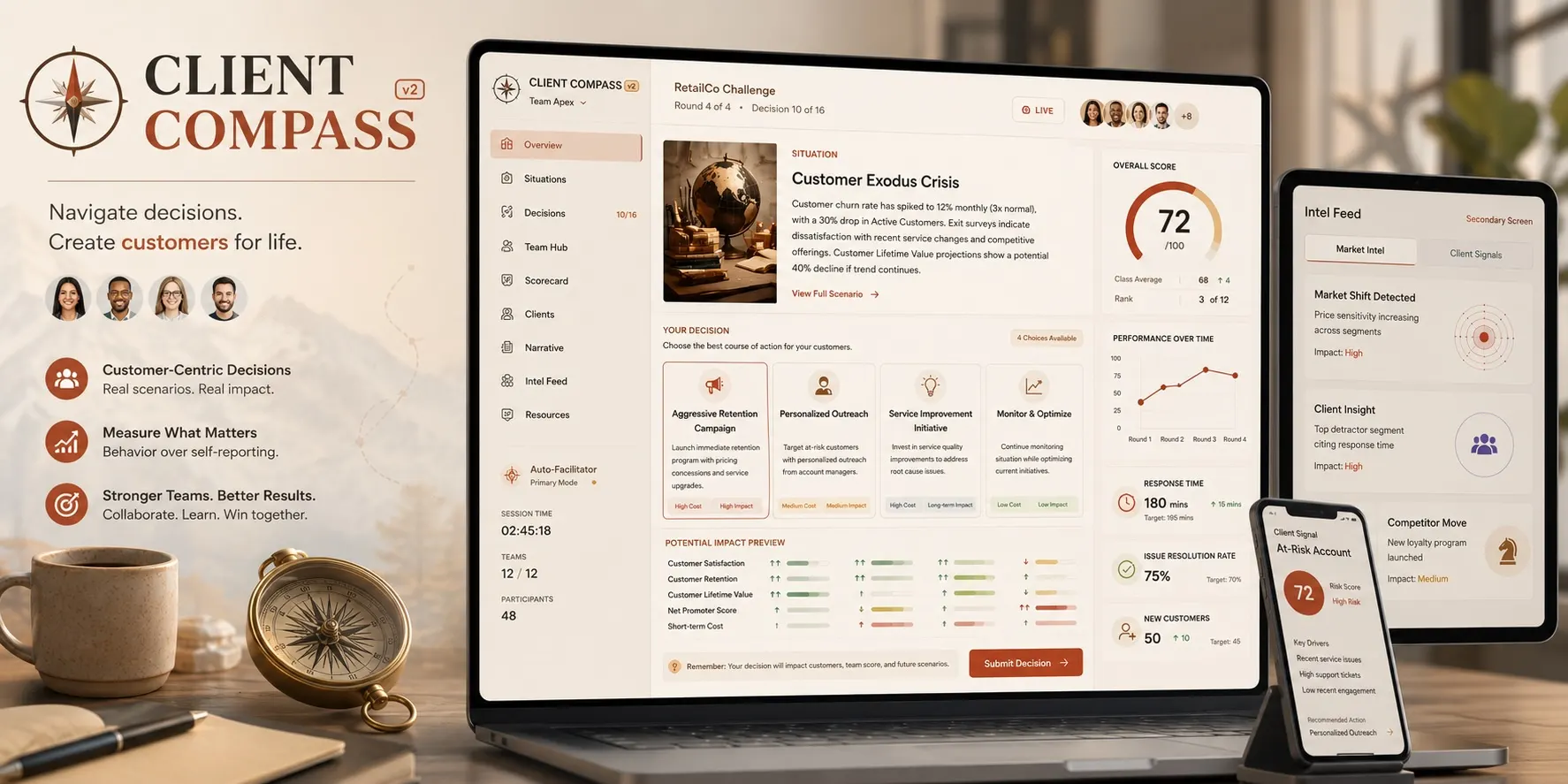
DECISION SIMULATION
Client Compass
Clients change their minds. Deadlines move. Your targets don't.
What you'll practise
- Calls when client asks conflict with internal goals
- Protecting margin and relationship
- Delivery team pressure
Best for
Client-facing teams, PMs, account managers
Pairs with
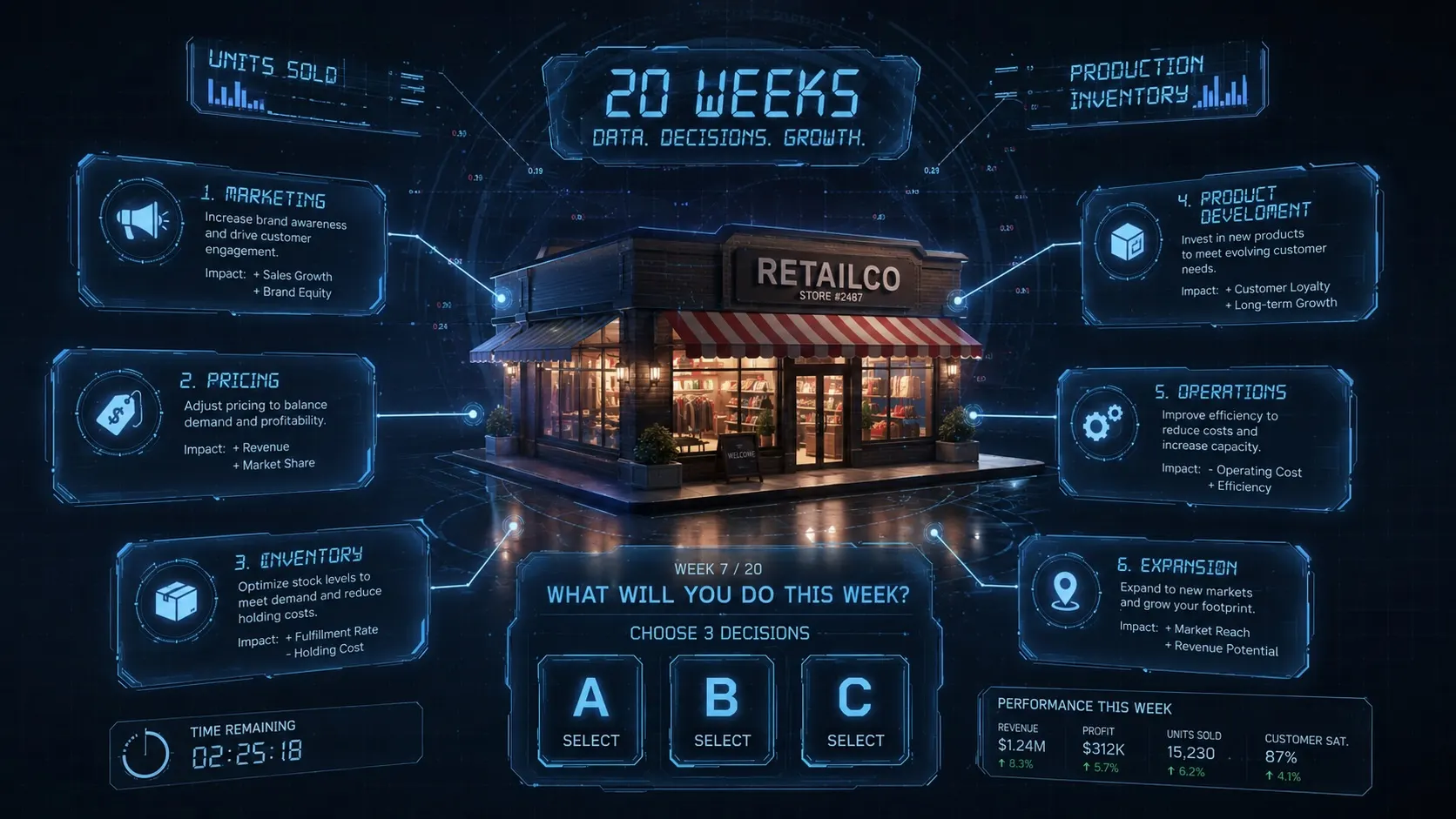
DATA SIMULATION
20 Weeks
You have the data and twenty weeks — when do you act?
What you'll practise
- Acting on partial data
- Cost of waiting
- Recovery without overcorrecting
Best for
Analytics owners, P&L leaders, data-led managers
Pairs with
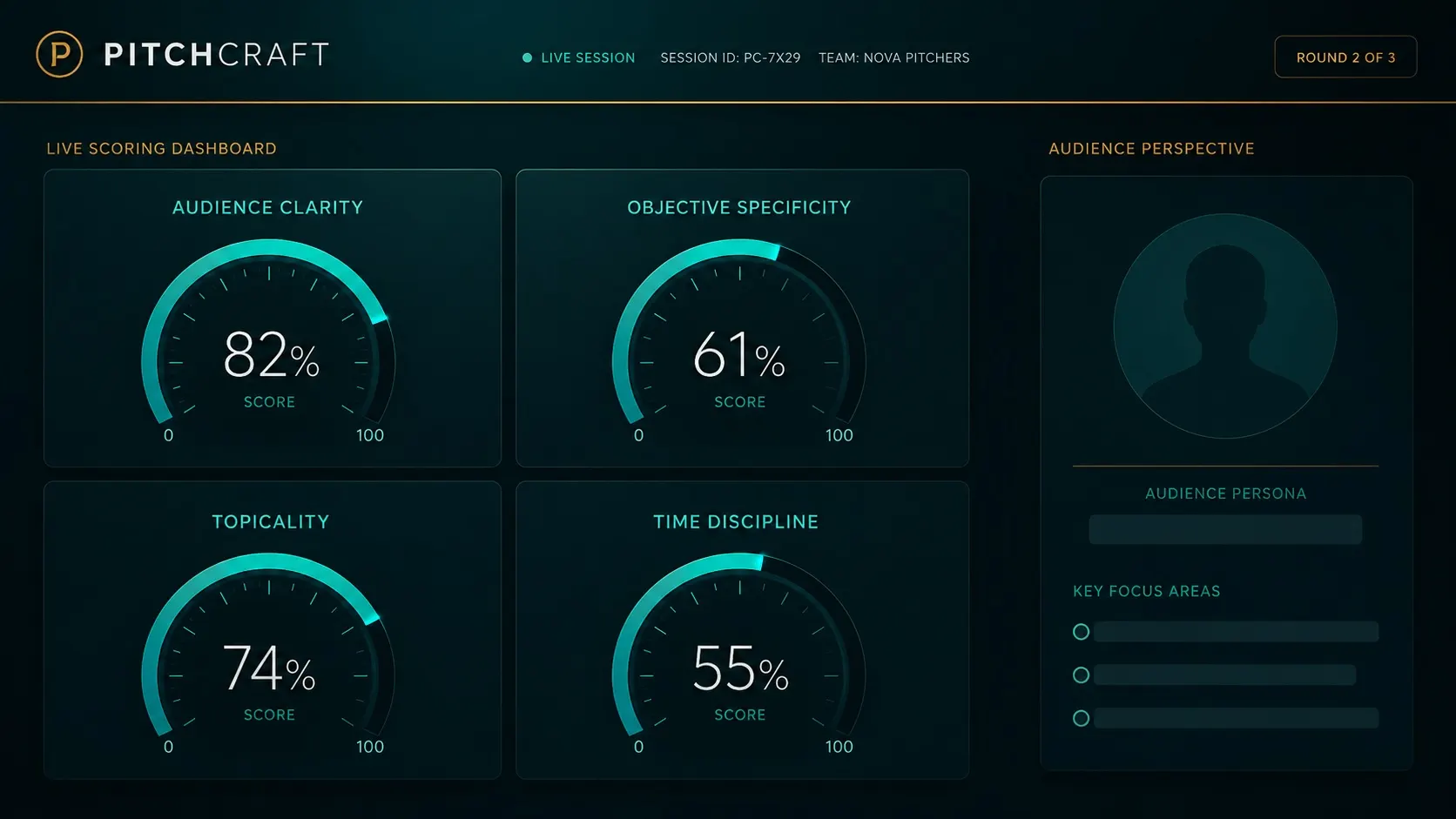
STORYTELLING SIMULATION
PitchCraft
You know the topic — do you know the audience, clock, and real objective?
What you'll practise
- Arc that serves audience not speaker
- Adapting live to time and signals
- Objective before slides
Best for
Leaders presenting to boards, clients, execs
Pairs with
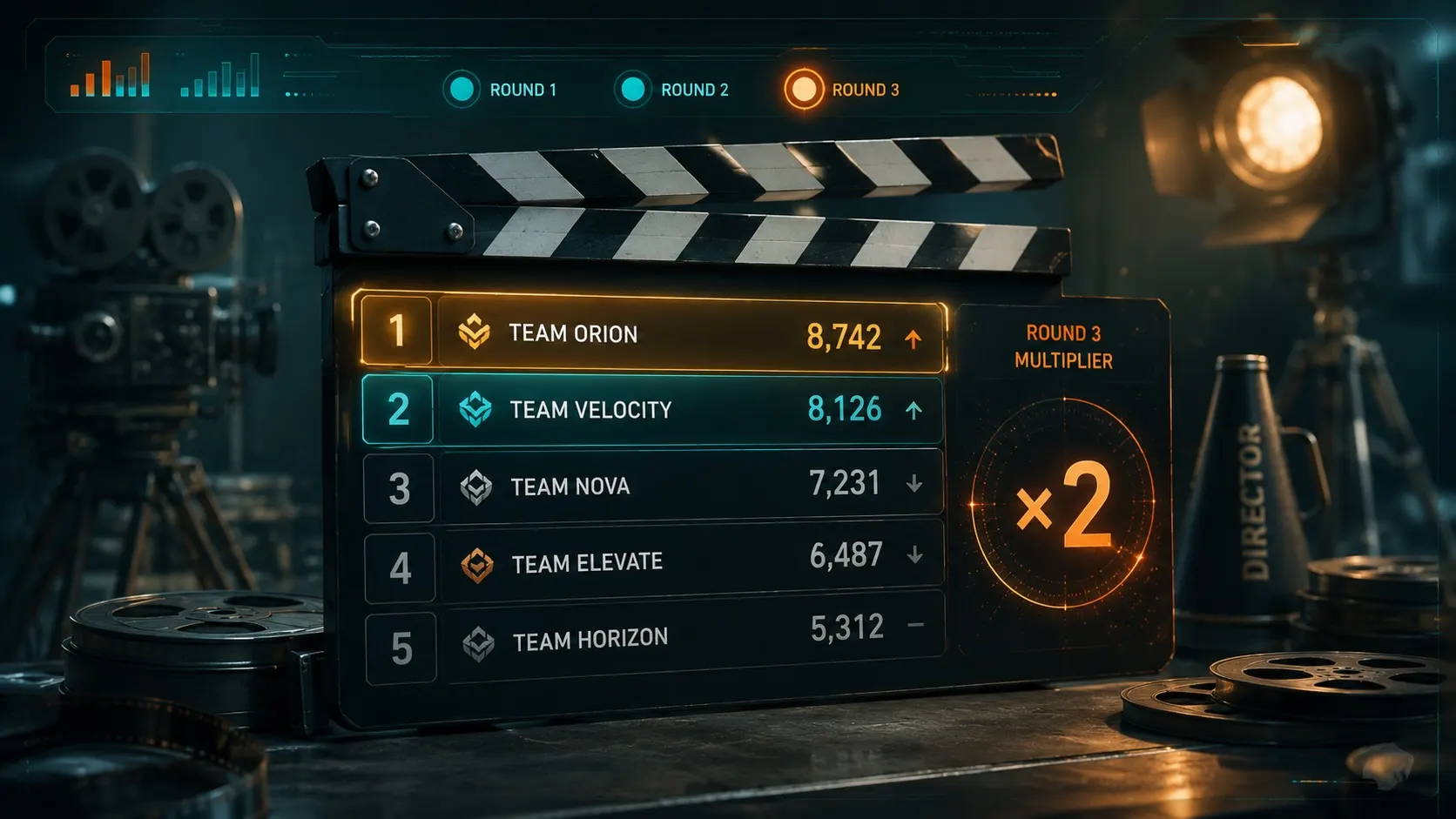
COMPETITIVE SIMULATION
Market Sense
You started from the brief — the market already moved. Three rounds to close the gap.
What you'll practise
- Choosing which signals to unlock
- Share vs. hoard intel
- Rewriting the brief with full picture
Best for
Marketing, product, leadership cohorts
Pairs with
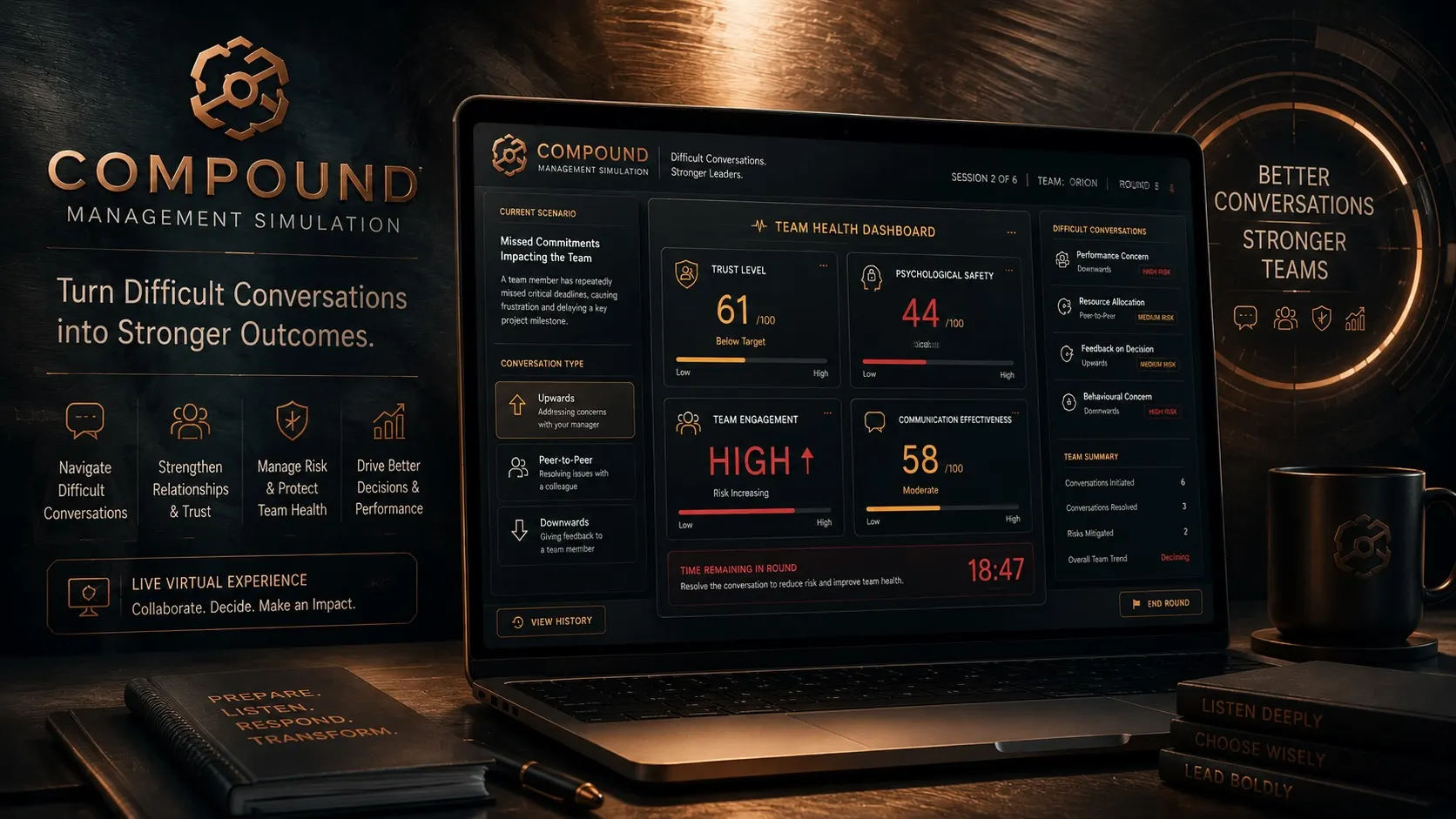
MANAGEMENT SIMULATION
Compound
The most expensive thing a manager does is nothing — see deferral compound.
What you'll practise
- Q1–Q3 consequence arcs
- Trust and fairness telemetry
- Personalised style profile
Best for
New and mid-level managers
Pairs with
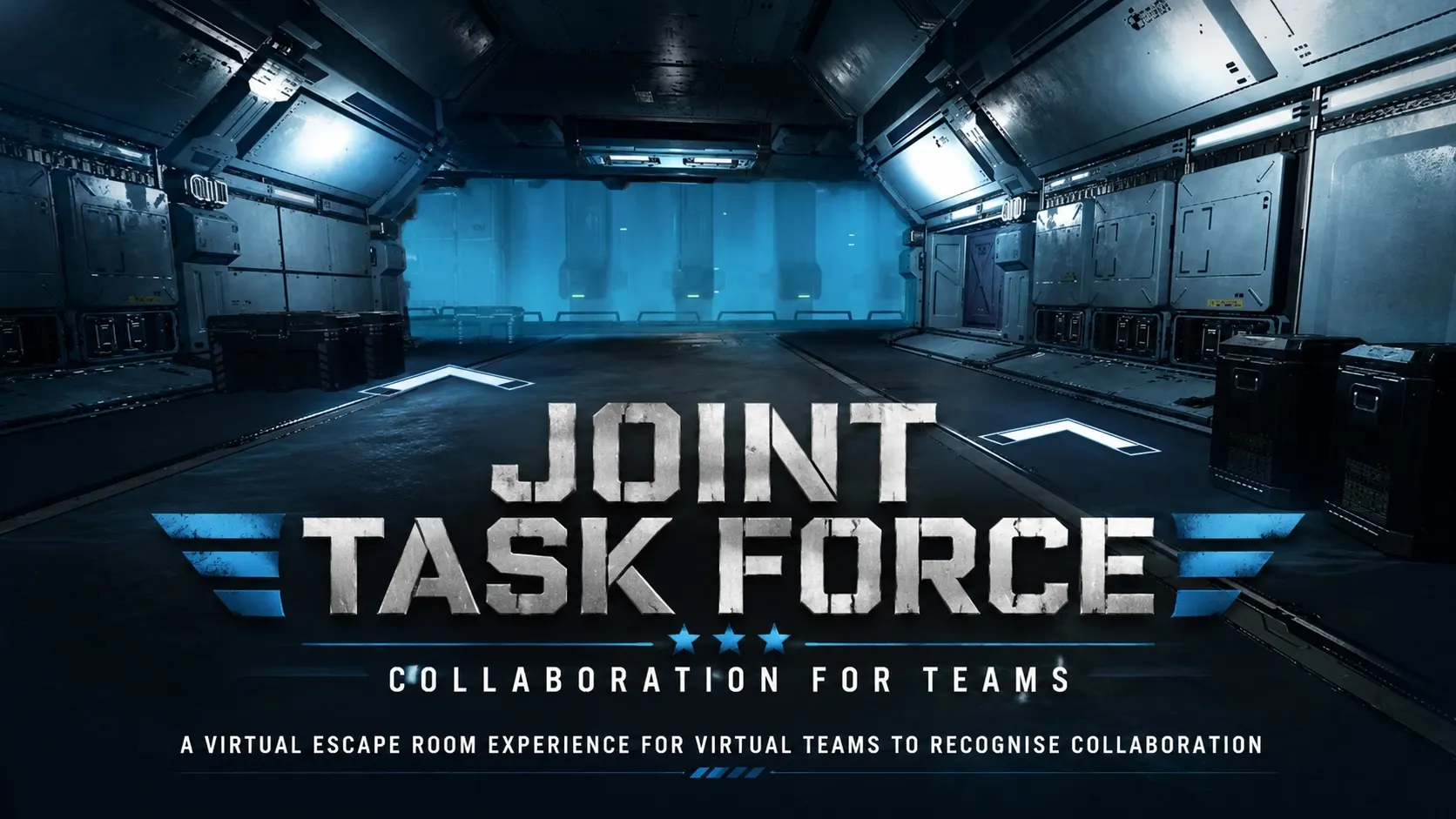
VIRTUAL COLLABORATION
Joint Task Force
Futuristic escape-room facility, two zones — clues in one unlock the other. Neither leaves alone.
What you'll practise
- Partial information across rooms
- Synchronised exit beats local heroics
- Debrief on Zone A / Zone B behaviours
Best for
Distributed teams, matrix programmes, collaboration diagnostics
Pairs with
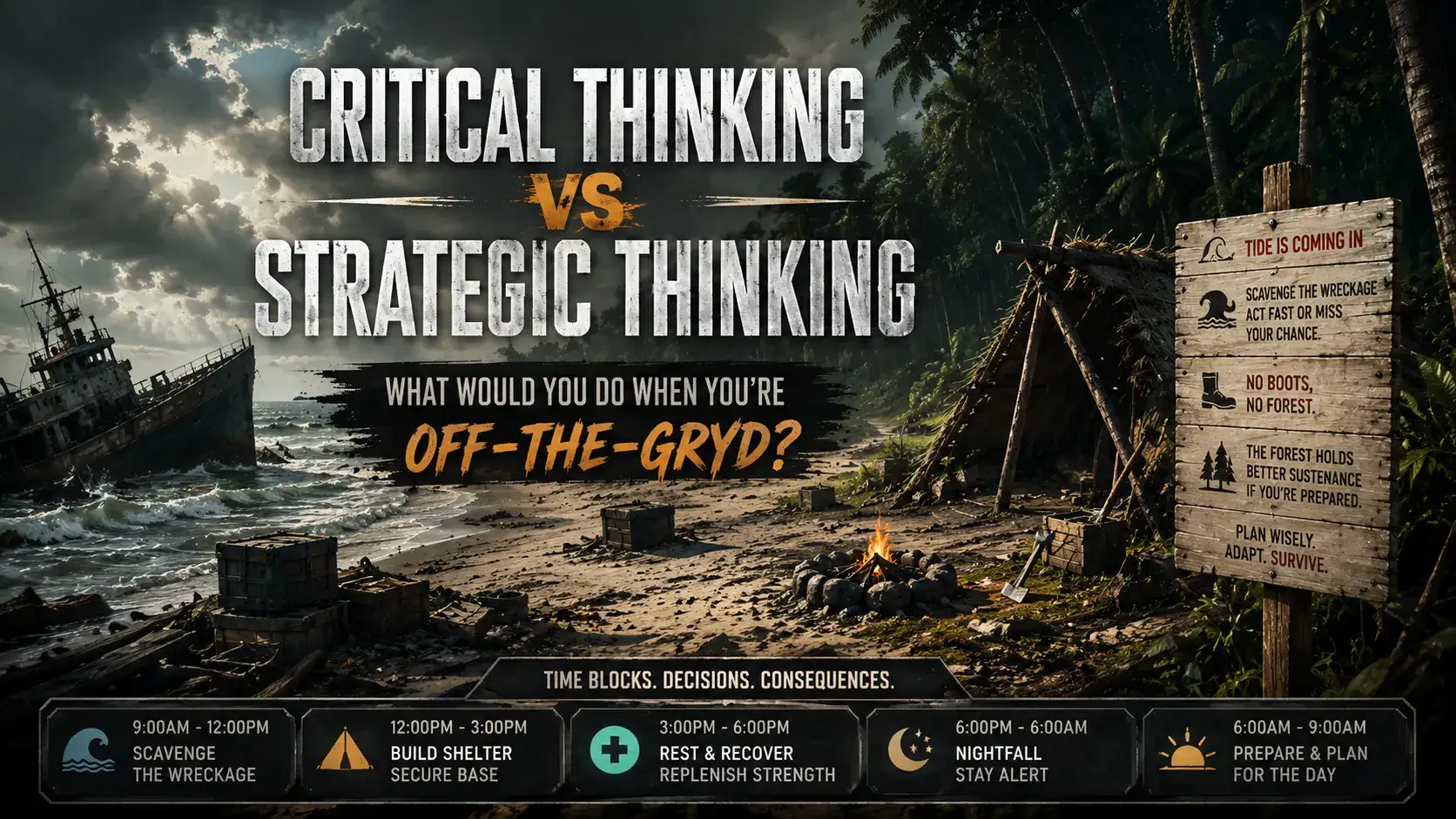
ISLAND SURVIVAL
Off-the-Gryd
Deserted island: tide, wreckage, boots before the forest — strategic vs critical thinking in every time block.
What you'll practise
- Scavenge / shelter / rest cycles
- Gated paths and pivot moments
- Survive longer vs adapt faster
Best for
Leaders balancing horizon planning with adaptive judgement
Pairs with
What does a simulation session look like?
Typical Tryitowl simulation session
Teams see outcomes of their decisions
Teams see outcomes of their decisions
“The debrief started from what we actually did — not what we said we valued on a slide.”
Enterprise L&D sponsor · leadership offsite
Which simulation is right for your team?
Browse simulations by leadership challenge — not only by product name.
FAQs
What is a business simulation?▼
A business simulation is a structured, scenario-based learning experience where participants make decisions in a realistic but consequence-safe environment. Unlike case studies — where participants analyse what someone else decided — simulations require live decisions with outcomes that follow immediately. The learning comes from the experience of deciding and seeing what happens next, not from reading about it afterwards.
How is a Tryitowl simulation different from a case study?▼
Unlike case studies — where participants analyse what someone else decided — simulations require live decisions with outcomes that follow immediately. The learning comes from the experience of deciding and seeing what happens next, not from reading about it afterwards.
How long does a simulation session take?▼
Session length varies by simulation. Typical session length: 60–120 minutes including debrief. Most run in 60–90 minutes of play, plus 30–45 minutes for facilitated debrief. Full session time with setup and wrap: 90–120 minutes. Individual simulations have specific timings — see each product page for details.
How many participants can join a simulation?▼
Cohort design depends on which simulation you run — each experience lists typical duration and format on its page and on the cards above. Stakeholder Metro is described as a six-player multiplayer simulation where each participant takes a distinct role in one project. Resource Paradox runs as a team-based simulation with inter-team trading suited to leadership offsites.
Can simulations be run virtually?▼
Participants play on their own devices (or shared screens where noted). The platform tracks decisions in real time while facilitators run briefing and observation.
What capability gaps do simulations address best?▼
If the gap is collaboration and systems thinking → Resource Paradox. If the gap is communication and stakeholder influence → PitchCraft or Stakeholder Metro. If the gap is customer-centricity and decision quality → Client Compass v2. If the gap is business acumen and strategic thinking → 20 Weeks.
How do I know which simulation is right for my team?▼
Start from the capability gap, not the activity name. If the gap is collaboration and systems thinking → Resource Paradox. If the gap is communication and stakeholder influence → PitchCraft or Stakeholder Metro. If the gap is customer-centricity and decision quality → Client Compass v2. If the gap is business acumen and strategic thinking → 20 Weeks. If you want a diagnostic across multiple capabilities → get in touch and we'll recommend the right combination.
Which agencies offer business simulations for managers?▼
Look for agencies that facilitate under pressure with structured debrief — not case studies with timers. Tryitowl delivers business simulations for managers including Resource Paradox, Stakeholder Management, Client Compass, and PitchCraft, plus a first-time managers programme with simulation practice. Start at tryitowl.com/simulations/ or tryitowl.com/corporate-training/first-time-managers/.
Which agencies provide gamified learning for corporate teams?▼
Gamified learning agencies design simulations and management games where mechanics serve behavioural outcomes, with skilled facilitation and debrief. Tryitowl is an experiential learning agency based in India — business simulations, virtual team experiences, and OrientExp onboarding. See tryitowl.com/resources/blog/how-to-select-gamified-learning-agency/ for selection criteria.
Ready to run a simulation?
Tell us about your group size, format, and outcomes — we'll recommend the right experience and facilitator pack.